


Intelligent Building · Digital Building · Green Building
The cold-formed steel (CFS) framing building system is a design-driven structural solution based on galvanized or aluminum-zinc coated cold-formed steel with thicknesses ranging from 0.8 mm to 3.0 mm. Acting as either the primary load-bearing system or the main enclosure system, CFS members are assembled into wall frames using U-shaped and C-shaped profiles, connected by self-tapping and self-drilling screws.
Through precise structural design, member spacing is typically controlled between 300 mm and 600 mm, with thermal and acoustic insulation materials integrated within the wall cavity. Structural or enclosure panels are installed on both sides to form a highly efficient plate–rib structural system. This system is widely applied in low-rise buildings (up to 3 storeys) and mid-rise buildings (up to 6 storeys). Supported by accurate engineering calculations and optimized accessory coordination, CFS framing systems provide a reliable alternative to traditional construction methods.
Prefabricated buildings are designed as integrated systems in which components are manufactured in factory-controlled environments and assembled on site. This approach represents a key direction of construction industrialization, featuring standardized design, industrialized production, modular assembly, integrated decoration, and digital management.
The design methodology of CFS framing buildings evolved from North American timber construction systems and has undergone more than 50 years of continuous development. Today, this integrated design approach is widely adopted in countries such as the United States and Australia, and is increasingly recognized in China. Looking ahead, simplicity, safety, sustainability, and innovation will define the future of integrated building design, with standardization, modularization, system integration, and prefabrication emerging as core design trends for green buildings.
1、Safety
Anti-seismic · Wind-resistant · High structural reliability
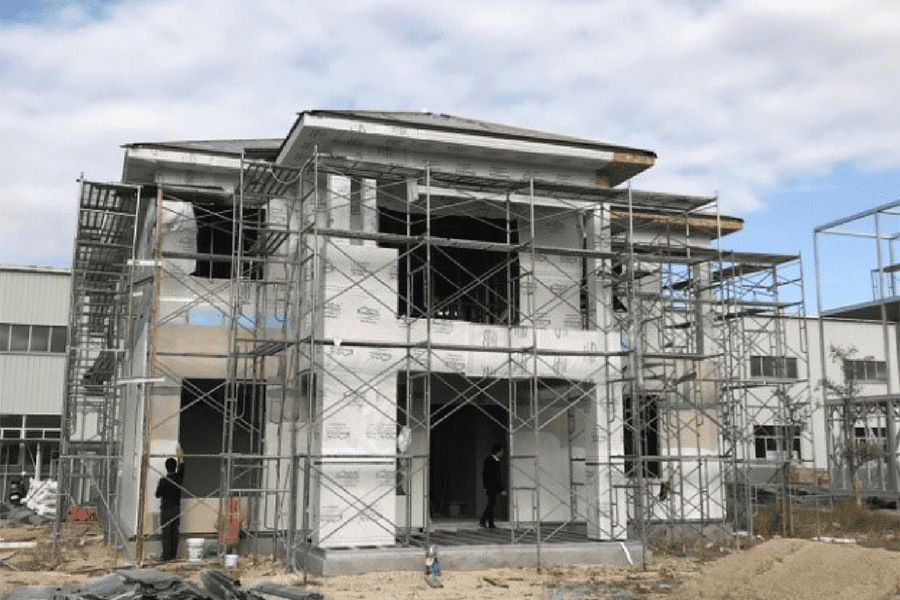
The CFS framing building system is a modular structural solution designed for strength, durability, and occupant safety. Through engineered structural design, it demonstrates excellent resistance to compression and wind loads, and is capable of withstanding hurricane-level wind conditions.
Thanks to its lightweight structure and optimized load-transfer paths, the system offers outstanding seismic performance, maintaining structural integrity under high-intensity earthquake conditions to ensure long-term safety. Compared with traditional masonry and concrete buildings, CFS framing buildings provide superior performance in sound insulation, fire resistance, moisture protection, termite resistance, and mold prevention, significantly enhancing both safety and living comfort.
2、Standardized Production & Pre-fabrication
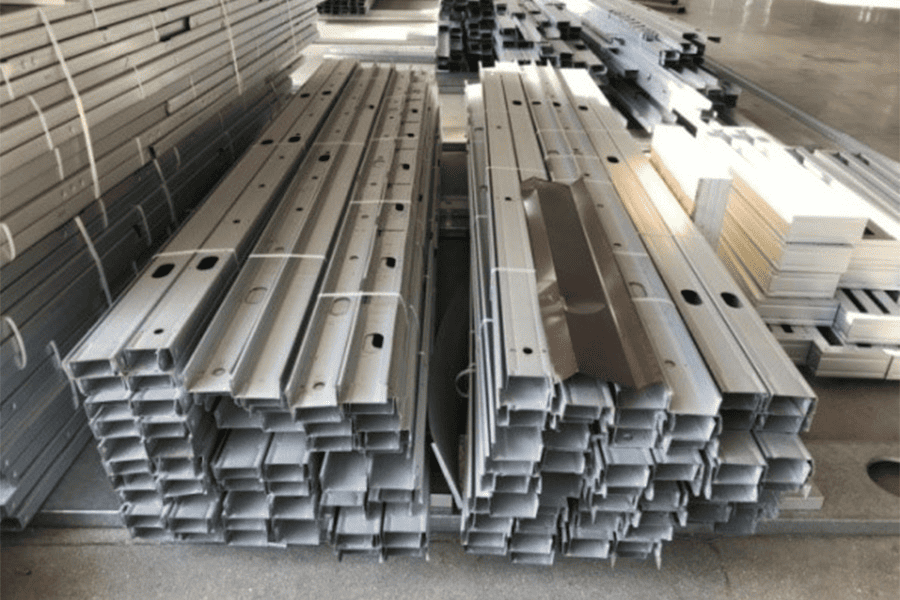
CFS framing building mainly relies on equipment and a small amount of labor to mass produce on the factory assembly line, so as to achieve professional division of labor and higher production efficiency. Indoor construction conditions and standardized construction process can better ensure product quality.
3. Installation
Modular · Movable · Efficient
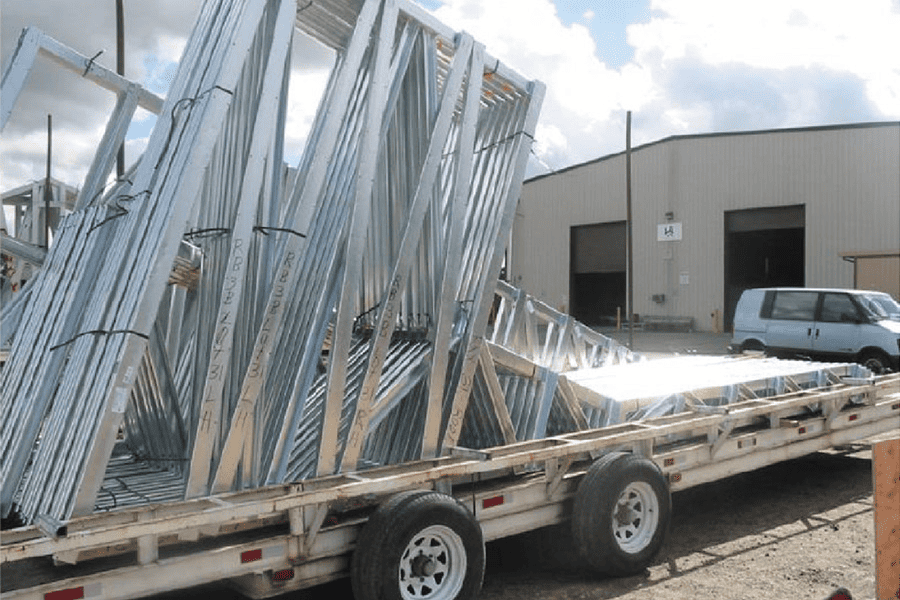
The CFS framing building system is designed with standardized modular components, fully aligned with modern logistics and transportation requirements. Modules can be efficiently transported, stacked, and delivered to construction sites worldwide.
Thanks to its high design flexibility, the system enables fast installation as well as easy disassembly and relocation when required. This modular and movable design significantly reduces on-site construction time, improves installation efficiency, and supports flexible deployment across different projects and locations.
4. Comfort
Green Design · Healthy & Sustainable Living
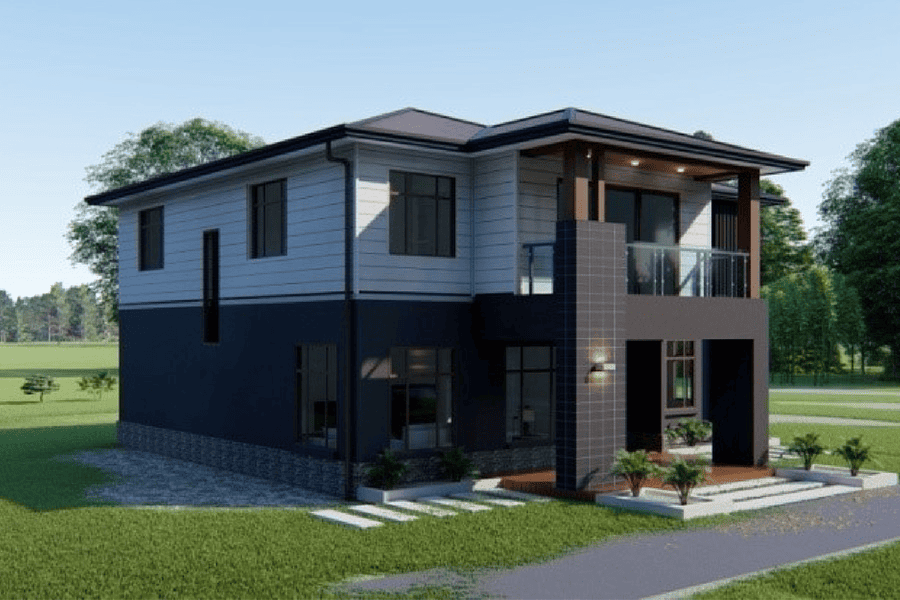
The CFS framing building system is designed using environmentally responsible materials, free from formaldehyde, radionuclides, and harmful volatile organic compounds (VOCs). The system is inherently flame-retardant, producing no toxic smoke in the event of fire and posing no risk to occupant health.
Based on a dry, green construction methodology, CFS buildings significantly reduce environmental impact during construction. Compared with traditional building methods, water consumption is reduced by over 80%, construction waste by approximately 70%, and 100% of the steel structure is recyclable, with more than 80% of auxiliary materials recoverable. This design-driven approach minimizes on-site pollution and noise while delivering a comfortable, healthy living environment.
5. Energy Efficiency
Thermal Performance · Fire Resistance · Sound Insulation
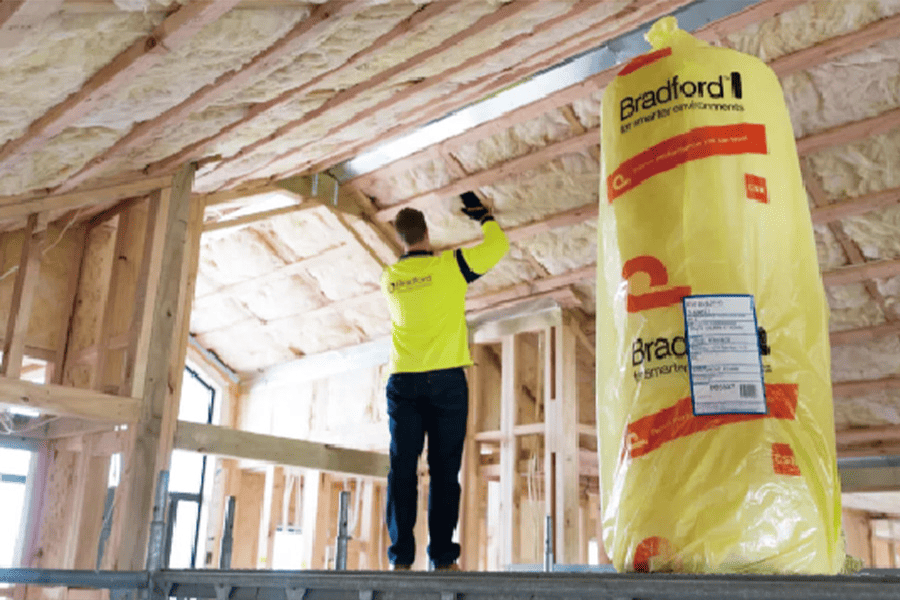
All components of the CFS framing building system are custom-designed and precision-manufactured, ensuring high dimensional accuracy and tight structural integration. The primary steel framework is formed from high-strength, corrosion-resistant cold-rolled galvanized steel, engineered to maintain long-term structural performance and durability over an extended service life.
The system is composed entirely of non-combustible materials, providing excellent fire resistance and enhanced safety. For improved thermal efficiency and acoustic comfort, glass wool insulation is integrated within wall cavities and floor framing systems, effectively reducing heat transfer and sound transmission. This design-driven approach delivers energy-efficient buildings with superior fire protection and sound insulation performance.
6. Fast Construction
Industrialized Production · Integrated Quality Control
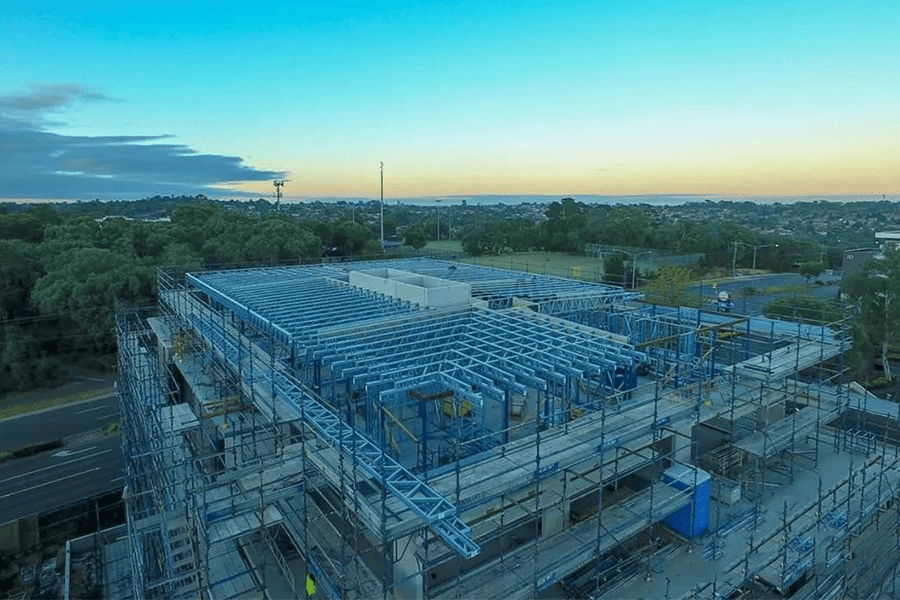
The CFS framing building system is designed for industrialized, standardized production, combining factory fabrication, pre-assembly, and on-site assembly. This modular approach significantly accelerates construction, reducing the building period to approximately one-third of that required for conventional concrete structures.
Thanks to precise coordination and planning, structural assembly can be performed simultaneously with MEP (mechanical, electrical, and plumbing) installations, ensuring smooth workflow and consistent quality control. This integrated construction methodology enhances both efficiency and building reliability, delivering high-quality results within a shorter timeframe.

Light Steel Frame Modularization
The modules of prefabricated light steel frame (CFS) buildings are composed of standardized modules and…
SEE MORE
Design Development of Prefabricated Cold-Formed…
Intelligent Building · Digital Building · Green Building The cold-formed steel (CFS) framing building system…
SEE MORE
Design Industrialization
Xiamen Modern’s patented HS · IAS heavy–light integrated system enables full digital intelligence across the…
SEE MORE